


This
work is based on the development of numerical tools for the
computational analysis of engineering structures that involve adhesion
problems, that is interface and interphase problems. The proposed
numerical tools are implemented within the framework of non-linear
Finite Element Methods (FEM) and are developed so as to be utilized by
design engineers and researchers for the design and analysis of
adhesively bonded joints and composite structures.
Initially, a Progressive Failure Model (PFM) is developed and applied
to predict the behaviour of an experimentally tested blade-stiffened
panel found in the literature. The developed PFM has been implemented in
non-linear finite element analysis procedures under the framework of
the commercial software Ansys. Failure initiation and failure
propagation as well as the post buckling ultimate attained load have
been numerically evaluated. Final failure behaviour of the simulated
stiffened panel is due to sudden global failure, as concluded from
comparisons between numerical and experimental results being in good
agreement.
In the following, particular focus has been given
initially in the study of the failure mechanisms that evolve during the
pure mode delamination propagation in fiber reinforced composite
materials (interface problems) and later in the study of the mixed-mode
loading and fracture of adhesively bonded joints (interphase problems).
The proposed numerical tools involve novel constitutive relations that
describe the aforementioned phenomena and are based on fracture and
damage mechanics, in accordance to Cohesive Zone Modeling (CZM)
techniques. Initially, a continuum damage constitutive model is
presented for the prediction of the inplane failure modes of laminated
composite materials. In the following, new cohesive laws are developed
for the prediction of delamination initiation and propagation under Mode
I and Mode II loading and fracture in fibrous laminated composite
materials. Having provided numerical predictions of the failure response
of composite materials, the next research activity is focused on
providing constitutive relations for the predictions of structural
adhesively bonded joints. The proposed constitutive relations, are
validated with tests conducted on steel-to-steel and steel-tocomposite
adhesive joint geometries that involve flat adherents. Next, a numerical
parametric study, that involves axisymmetric adhesive joints (tubular
cases), has been conducted, showing the potential of the proposed
numerical tool. In conclusion, the present PhD thesis provides separate
numerical tools that can be combined for the prediction of the failure
response of structures that involve composite materials and adhesive
joints.

پروژه تحلیل و طراحی اتصالات چسبی بین کامپوزیت ها و فلزات (Analysis and Design of Adhesively Bonded Joints between Composites and Metals)، مشتمل بر 9 فصل، 278 صفحه، به زبان انگلیسی، تایپ شده، به همراه تصاویر، با فرمت pdf به ترتیب زیر گردآوری شده است:
Chapter 1: Structural adhesive bonding
- Introduction
- Adhesive material systems
- Fabrication of adhesive joints
- Loading and fracture in bonded structures
- Adhesive joint geometries
- Advances in adhesive bonding technology
Chapter 2: Analysis of Adhesive Joints
- Introduction
- Analytical and semi-empirical solutions
- Numerical solutions
- Objectives and layout of PhD thesis
Chapter 3: Progressive failure analysis of composite materials
- Introduction
- Progressive failure model methodology
- Failure analysis of a stiffened panel
- Conclusions
Chapter 4: Experimental and numerical investigation of pure Mode I and II delamination growth
- Description of the problem
- Materials, geometry and test parameters
- Data reduction schemes - Overview
- J-integral approach
- Experimental results
- Fracture Process Zone (FPZ) characterization
- Numerical modeling of the experiments
- Numerical results
- Conclusions
Chapter 5: Development of a novel constitutive model for ductile adhesive joints
- Introduction
- Proposed pure mode EPZ laws
- Proposed 2D mixed-mode EPZ model
- Proposed 3D mixed-mode EPZ model
- Conclusions
Chapter 6: Experimental and numerical investigation of metal-to-metal adhesive joints
- Description of work
- Single Lap and Double Strap adhesive joints
- Development of a Single Lap Joint subjected to Eccentric Loading
- Conclusions
Chapter 7: Experimental and numerical investigation of composite-to-metal adhesive joints
- Description of work
- Single Lap Joints
- DCB-UBM tests
- Conclusions
Chapter 8: Numerical parametric analysis of tubular adhesive joints
- Introduction
- Details of the parametric study
- Numerical Modeling
- Numerical results
- Conclusions
Chapter 9: Conclusions and scientific novelties

جهت دانلود پروژه تحلیل و طراحی اتصالات چسبی بین کامپوزیت ها و فلزات (Analysis and Design of Adhesively Bonded Joints between Composites and Metals)، بر لینک زیر کلیک نمایید.

 آموزش کتیا، طراحی و مدلسازی رینگ چرخ خودرو (Wheel Rims) در نرم افزار CATIA
 کتاب مدلسازی فضایی با نرم افزار سالیدورکس و ان ایکس
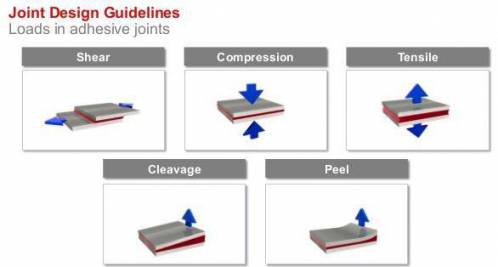 دانلود پروژه بهینه سازی اتصالات چسبی در کامپوزیت ها
 کامپوزیت هاي زمینه پلیمري
 بررسی سرامیک ها و اهمیت اتصال در آنها
 آموزش مدلسازی، مونتاژ، ورقکاری، نقشه کشی، شبیه سازی نرم افزار اتودسک اینونتور
 آموزش مقدماتی تا پیشرفته نرم افزار اتودسک اینونتور
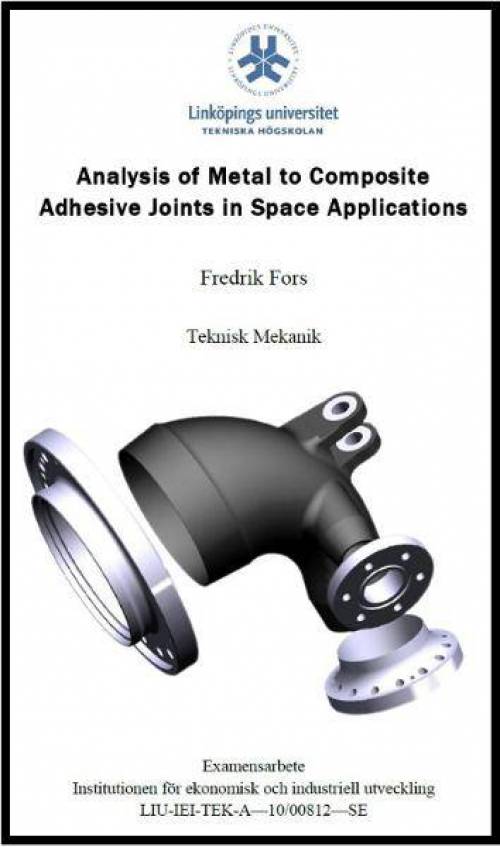 تحلیل اتصالات چسبی فلز به کامپوزیت در کاربردهای فضایی
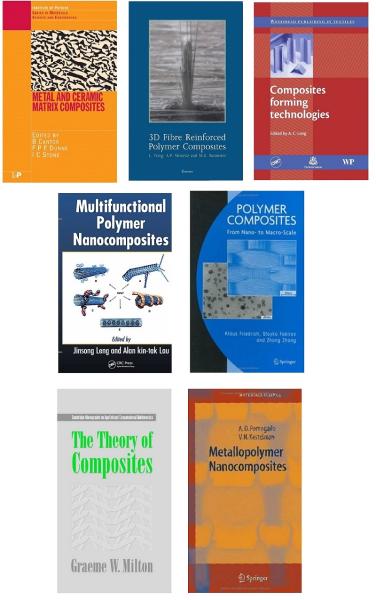 دانلود 7 کتاب مرجع آموزش کامپوزیت ها
 سیستم های کنترل خطی و کنترل مدرن به همراه حل تمرین
 دانلود نمونه سوالات امتحانی و تمرینات حل شده درس مکانیک محیط های پیوسته
 جزوه آموزش جامع آنالیز مودال پروفسور سعید ضیائی راد
 جزوه مبانی سیستم انتقال قدرت در خودروهای سواری
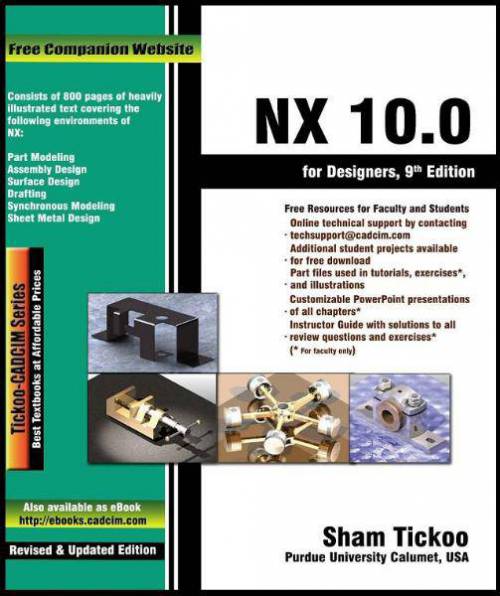 کتاب آموزش مقدماتی تا پیشرفته نرم افزار ان ایکس
 مکانیک محیط های پیوسته برای مهندسین به همراه تشریح کامل مسائل
 دانلود کتاب آموزشی و مجموعه کدهای تخمین حالت و پارامتر با فیلتر کالمن
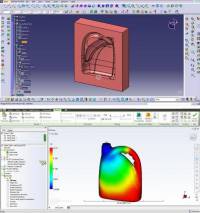 طراحی قالب بادی بطری روغن موتور با CATIA و تحلیل آن با نرم افزار MoldFlow
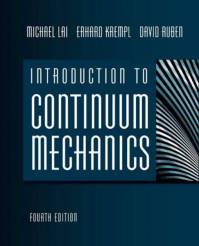 مقدمه ای بر مکانیک محیط های پیوسته به همراه تشریح کامل مسائل
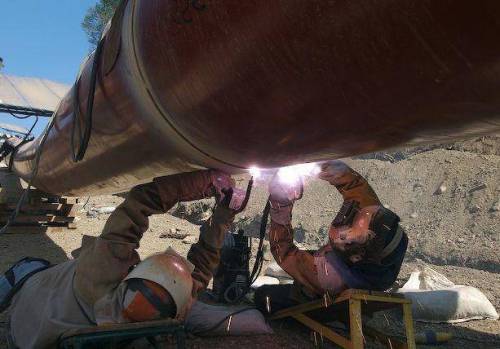 مجموعه آموزش جامع (جوش، بازرسی، عیوب، دستورالعمل) لوله های انتقال نفت و گاز
 تحلیل اجزاء میکروجت با استفاده از نرم افزار فلوئنت
 گزارش کار آزمایش های انجام شده در کارگاه توانایی ماشینکاری
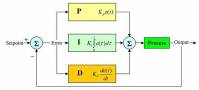 طراحی کنترل کننده PID با استفاده از سیستم هاي هوشمند
 مکانیزم های تخریب آلیاژهای مهندسی در صنایع نفت، گاز و پتروشیمی
 طراحی، سرویس و نگهداری پمپ های جابجایی مثبت
 طراحی و مدلسازی بطری نوشابه در نرم افزار سالیدورکس
 نقش و کاربرد انواع سنسورها در صنعت و بررسی سنسور پارک خودرو
 مهندسی خطوط لوله(Pipeline Engineering)